REVIEW · GERMANY
Berlin: Classical concerts in Köpenick Palace – Aurora Hall
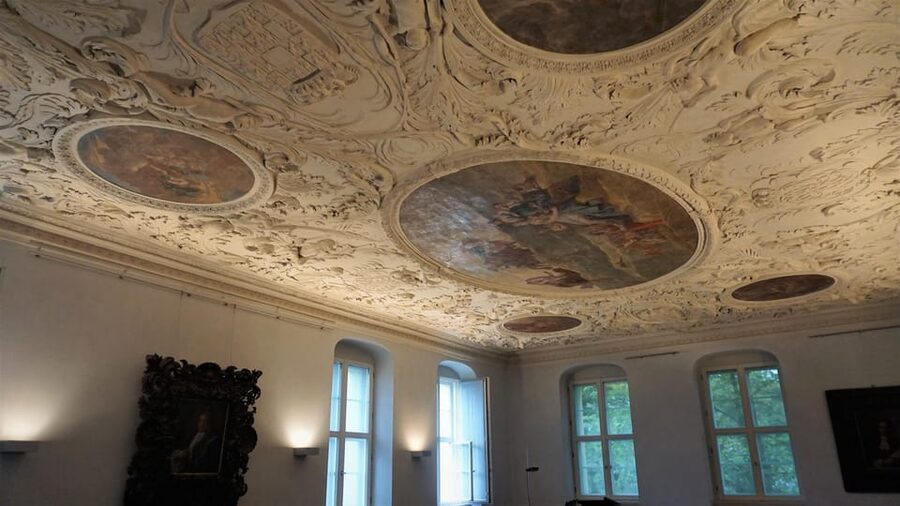
Köpenick Palace turns a short concert into a well-shaped cultural evening: you hear classical music in the palace’s Aurora Hall, then have free museum admission included in the same ticket. The program changes by date, so you can choose between Mozart, Bach, Schubert, opera, piano duets, or Iberian music rather than settling for a generic concert.
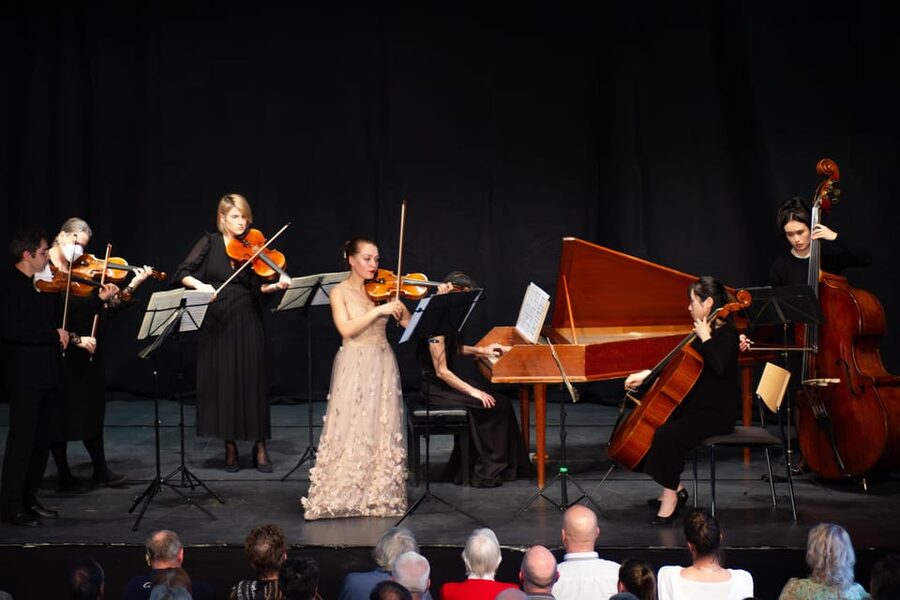
I like the 90-minute length, which gives you a substantial performance without taking over an entire Berlin day. I also like the range of artists and formats, from solo piano and four-hand piano to voice, guitar, violin, harpsichord, and ensemble music. One practical concern is room comfort: a September 2025 booking reported excessive heat and no refrigeration in the hall, while another paid booking was reported as canceled without prompt follow-up. Confirm the event shortly before you go.
Key points to know before you book
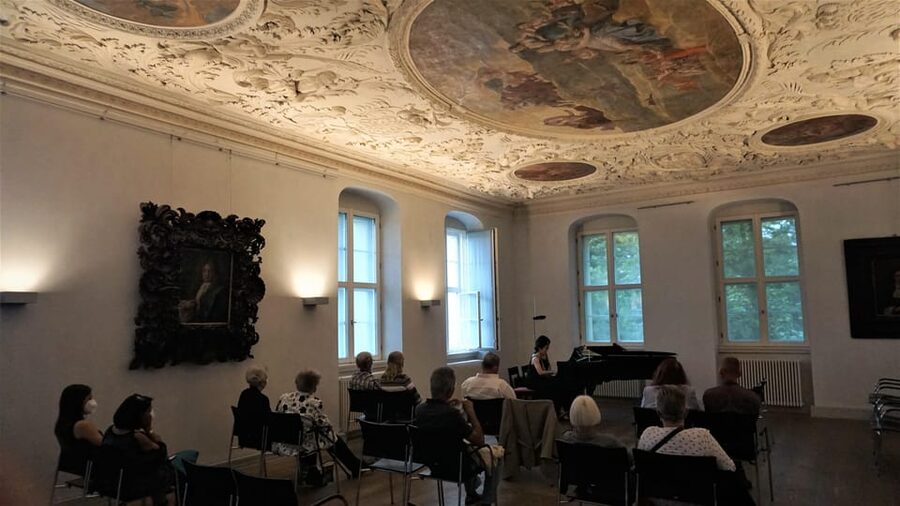
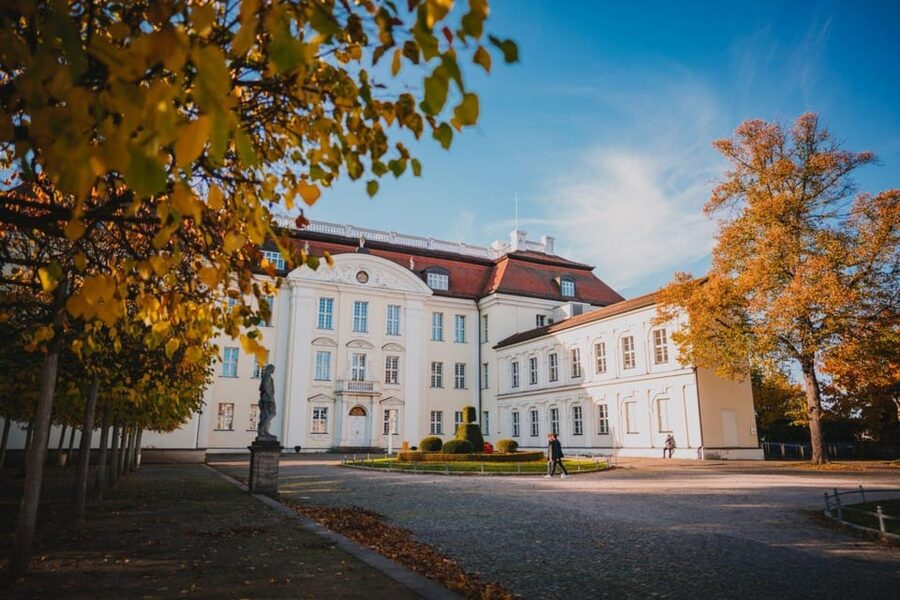
- Aurora Hall setting: The concert takes place inside historic Köpenick Palace, not in a modern concert venue.
- A different program on each date: You can choose Mozart piano works, romantic duets, Bach, Schubert, opera, or other focused programs.
- Strong value at $33: The ticket covers a 90-minute concert and free museum admission.
- Named performers: Artists include Inês Pinto, Maria-Magdalena Pitu-Jokisch, Marianne Boettcher, and the Mozart Ensemble Berlin.
- Useful flexibility: Cancellation is free up to 24 hours before the event, and reserve now, pay later is available.
- A few limits: Audio recording is not allowed, some material is presented in its original language, and hall temperature may be worth checking.
Why Aurora Hall changes the concert experience
A concert in a palace has a different feel from one in a large Berlin hall. The setting is part of the evening, not just a backdrop. You enter Köpenick Palace for music connected to the building’s cultural role, with the concert held in the Aurora Hall and museum access included.
That combination matters if you want more than a stand-alone performance. A museum visit gives you a chance to place the music in a wider setting, even if you spend only a short time looking around. You can make the evening about both sound and place without buying a second admission ticket.
I would not expect the scale or acoustic power of a major symphony hall. These programs are built around chamber music, solo performance, song, and small ensembles. That means the appeal lies in close musical detail and the character of each performer, rather than in a huge orchestral sound.
The hall’s historic setting is also a reason to plan sensibly. One booking from September 2025 described the room as excessively hot, with no refrigeration. That does not prove every performance will have the same problem, but it is a useful warning for warm weather. Check the conditions and bring only what is comfortable and permitted, since audio recording is not allowed.
Other aurora nights travellers book around the world:
- From Reykjavik: Northern Lights Bus Tour with Hot Cocoa
★ 4.3 · 13,947 reviews - Tromsø: Northern Lights Safari with Expert Guides and Photos
★ 4.6 · 6,654 reviews - Tromsø: Northern Lights Pioneer Tour with Photos Included
★ 4.8 · 6,048 reviews
Pick your date by the music, not just the palace
The biggest decision is the program. The series runs from February through May 2026, and each date has a distinct musical focus. I would read the program before booking, especially if you are choosing between vocal music, keyboard music, or instrumental sonatas.
February 15: Pure Romance, Romantic Duets
Inês Pinto sings soprano, Kristina Naudé sings alto, and Beatrice Wehner-Schaller accompanies on piano. This is the clearest choice if you want the emotional pull of vocal music and the contrast between two voices.
A duet program can offer more variety than a solo recital because the singers can trade lines, blend, and create musical tension. You should also be comfortable with some content being performed in its original language. The program information does not specify the individual works or translation arrangements, so do not assume every song will be presented in English.
March 8: Mozart Piano Works, Complete Performance 2
Maria-Magdalena Pitu-Jokisch performs the second program in the Mozart piano series. This suits you if you prefer a focused recital in which one composer and one instrument carry the evening.
The word complete refers to the designated series program, not necessarily every piano work Mozart wrote in one sitting. Check the exact program details when selecting your ticket. If you enjoy hearing how a composer handles changes in mood, form, and technique at the keyboard, this is one of the more concentrated options.
A few more northern lights tours around the world worth a look
- Rovaniemi: Northern Lights Tour with Guaranteed Sightings
★ 4.6 · 3,836 reviews - Tromsø: Northern Lights Chase with Photos and Bodysuits
★ 4.5 · 3,378 reviews - Small-Group Premium Northern Lights Tour from Reykjavik
★ 4.4 · 2,977 reviews - #1 Northern Lights Tour In Iceland from Reykjavik with PRO photos
★ 4.5 · 2,887 reviews
March 22: Mozart songs, arias, and duets
Yuri Mizobuchi, mezzo-soprano, and Stephen Barchi, baritone, perform with Graham Cox on piano. This date offers more vocal variety than the February program, moving between songs, operatic arias, and duets.
I would choose this evening if you like the theatrical side of Mozart but do not need a full staged opera. A piano accompaniment keeps the focus on the singers and the vocal writing. Again, original-language material is possible, and the supplied information does not promise translations or projected text.
March 29: The Seven Last Words of the Savior on the Cross
The Mozart Ensemble Berlin performs this program. The title points to serious, reflective music, so this is likely the most solemn choice in the series. It is better suited to you if you want a concentrated spiritual or meditative work rather than a light selection of familiar pieces.
The event information does not specify the exact version or instrumentation, so check the final program before booking. The ensemble format also gives this date a different character from the solo piano and voice recitals.
April 3: The Music Book of Frederick the Great
Susanne Ehrhardt plays recorders, with Yuko Tomeda on harpsichord. This is one of the most unusual pairings in the schedule and a good pick if you want early music rather than a standard piano recital.
The recorder and harpsichord combination points toward a more delicate, period-oriented sound. You should expect a smaller-scale program where instrumental color matters as much as volume. It is a particularly sensible choice for anyone curious about the musical world associated with a royal court.
April 4: Mozart Piano Works, Complete Performance 3
Naoko Fukumoto performs the third Mozart piano program. If you want to follow the series, this is a later installment with a different pianist from the March 8 performance.
You do not need to attend the earlier program to enjoy this one. Still, compare the dates carefully, since the series format may appeal most to people who want a continuing look at Mozart’s piano writing.
April 5: Piano magic for four hands
Naoko Fukumoto and Maria-Magdalena Pitu-Jokisch share the piano. Four-hand piano music is physically and musically different from a standard solo recital, with two performers working across one keyboard.
I like this choice for a first classical concert because the format is easy to grasp. You can watch how the two pianists coordinate while hearing a fuller keyboard sound. It also offers a lighter change of pace after the more focused Mozart program on the previous day.
April 6: Classical violin sonatas
Annegret Pieske plays violin, accompanied by Victoria Litsoukova on piano. This is the straightforward choice for anyone who prefers chamber music built around a violin and keyboard partnership.
A sonata program tends to reward close listening. The violin may carry the singing line, while the piano has a full musical role rather than simply providing background. The event information does not list the composers, so check the detailed program if that affects your choice.
May 1: Schubert Potpourri
Stephen Barchi sings baritone, accompanied by Maria-Magdalena Pitu-Jokisch on piano. The word potpourri suggests a varied selection rather than one large, continuous work.
This should suit you if you enjoy song recital format and want several Schubert pieces in one sitting. Baritone and piano can create an intimate sound, but the precise song list and language information are not provided. Plan on hearing at least some material in its original language.
May 10: Bach Violin Sonatas 2
Marianne Boettcher plays violin, with Yuko Tomeda on harpsichord. This program offers a clear period-style pairing and should appeal to listeners who like Bach’s intricate writing.
The harpsichord gives the accompaniment a crisp, distinct character. If you prefer warm orchestral sound or large ensembles, this may feel restrained. If you like the interplay between violin and keyboard, it is one of the more focused selections in the series.
May 17: Piano music to dream to
Maria-Magdalena Pitu-Jokisch performs this piano program. The title signals a calm, reflective mood rather than dramatic opera or demanding chamber interplay.
This is a good choice for a quiet cultural evening. I would not choose it if you want a program with several performers or a strong theatrical element. The exact composers and works are not specified, so check the details before you book if you want a particular musical period.
May 31: Iberian sounds
Inês Pinto sings soprano, accompanied by Márcio Silva on guitar. This final listed date brings a regional flavor to the series and gives you a different sound from the German and Austrian-centered programs.
Soprano and guitar can create a direct, intimate partnership. Choose this if you want something beyond Mozart and Bach, or if you enjoy vocal music with a strong connection between voice and plucked strings. As with the other vocal programs, original-language performance is possible.
What the $33 ticket really gives you
At $33 per person, this is not simply a ticket to 90 minutes of music. Free museum admission is included, which improves the value if you have time to use it. You can pair the concert with a palace visit instead of paying separately for a second cultural stop.
The value depends on your music preferences. If you already plan to attend a classical concert in Berlin, this offers a distinctive palace setting and a clearly defined program for a modest price. If you are unsure about classical music, the 90-minute format reduces the risk of committing to a long performance.
The series also gives you a choice of price-worthy formats. A solo piano recital may feel like a simple evening, but it places all attention on the performer. A vocal program gives you words, character, and dramatic contrast. A chamber program gives you musical conversation among two or more instruments.
I would not judge the ticket only by the fame of the artists. The appeal here is the mix of setting, specialist programs, and manageable length. Internationally renowned artists are part of the presentation, but the available information does not provide detailed biographies for each performer. Choose based on the music listed rather than assuming a major star recital.
Timing, access, and practical planning
The concert lasts 90 minutes, but the full outing can take longer once you allow time for museum admission and getting to the Aurora Hall. The starting time depends on the date, so check availability before you make dinner or transport plans.
The meeting point is the Aurora Hall. The activity is wheelchair accessible, which is important if access affects your choice of venue. The information does not give details about seating, cloakrooms, parking, or public transport, so do not assume those arrangements without checking directly.
The experience is suitable for a solo cultural evening, a couple, or anyone building a music-centered day in Berlin. It may also work for older children who can sit quietly for 90 minutes, though no age guidance is provided. You should choose a vocal program if you want a stronger narrative feeling, or an instrumental date if you prefer to listen without relying on translated text.
Alcohol and drugs are not allowed. Audio recording is prohibited, so plan to listen rather than document the performance on your phone. Some material is shown in its original language, which is normal for opera and song but worth knowing before you select a vocal date.
Cancellation is free up to 24 hours in advance, and reserve now, pay later is available. Those terms help if your Berlin schedule is still shifting. Because one paid booking in 2025 was reported as not taking place and receiving no prompt follow-up, I would still confirm the concert close to the date and keep your booking details available.
The main strengths and the real cautions
The music was the strongest part of the experience in the positive account available here. That matches the basic design of the series: each concert gives the performers a clear focus, whether that means Mozart piano works, Bach sonatas, romantic duets, or Schubert songs.
The palace setting is another real strength. You are not buying a concert in an anonymous room. The Aurora Hall gives the music a historic context, and the included museum admission lets you extend the visit beyond the performance.
The cautions are practical rather than musical. Room temperature may be uncomfortable in warm weather, and the lack of detailed information about seating, translations, and individual works means you should check the chosen date carefully. A separate booking problem was also reported, so I would not wait until the last minute to confirm that your event is proceeding.
That balance is important. This is a focused cultural event, not a full guided tour of Köpenick Palace, and it is not a guarantee of a grand orchestral concert. You are paying for a short, specific performance in a historic room, with museum entry as an added benefit.
Should you book the Köpenick Palace concert?
I would book it if you want a reasonably priced classical concert with a genuine sense of place and you are willing to choose your date around the program. The $33 price is fair because it covers 90 minutes of music and museum admission, while the range of performers gives you more choice than a single fixed concert.
My first picks would be the four-hand piano program for an accessible and unusual format, Bach violin sonatas for focused chamber music, and the Mozart songs, arias, and duets for a more theatrical evening. Choose the romantic duets or Iberian sounds if vocal music is your priority.
I would be more cautious if you need guaranteed cool temperatures, detailed translation support, or a large orchestral sound. Check the exact start time, selected program, and event confirmation before you go. For the right listener, Aurora Hall offers a compact Berlin evening where the building and the music share the spotlight.
FAQ
Where does the concert take place?
The concert takes place in the Aurora Hall at Köpenick Palace in Berlin.
How long is the concert?
The concert lasts 90 minutes.
How much does the experience cost?
The listed price is $33 per person.
Is museum admission included?
Yes. Free museum admission is included with the concert experience.
Which music programs are available?
Programs include romantic duets, Mozart piano works, Mozart songs and arias, The Seven Last Words of the Savior on the Cross, music associated with Frederick the Great, four-hand piano, violin sonatas, Schubert, Bach, dream-themed piano music, and Iberian music.
Is the venue wheelchair accessible?
Yes. The activity is listed as wheelchair accessible.
Can I cancel my booking?
Yes. You can cancel up to 24 hours in advance for a full refund. Reserve now, pay later is also available.
Newest aurora reviews around the world
- Rovaniemi: Aurora Borealis Trip – Autumn★ 4.8 · 5 reviews
- Rovaniemi Aurora Fire & Flavour — Arctic Gastronomy Tour★ 5.0 · 3 reviews
- Rovaniemi: Aurora Hunt Snowshoeing Adventure with Guide★ 5.0 · 2 reviews
- Rovaniemi: Aurora hunting and a fireside BBQ experience★ 4.6 · 43 reviews
- Rovaniemi: 2km Aurora Reindeer Safari Through the Forest★ 4.5 · 12 reviews
- Rovaniemi: All-Inclusive Ranua Zoo Excursion & Aurora Dinner★ 4.6 · 3 reviews
- Rovaniemi: Aurora Borealis Tour★ 4.9 · 7 reviews
- Reykjavik: Whales and Northern Lights Boat Tour★ 4.2 · 55 reviews
Northern Lights Tours, compared.
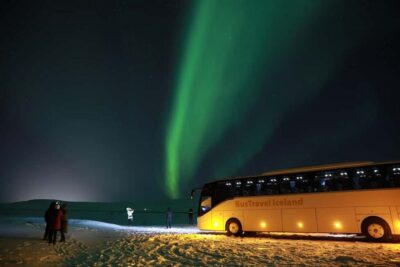
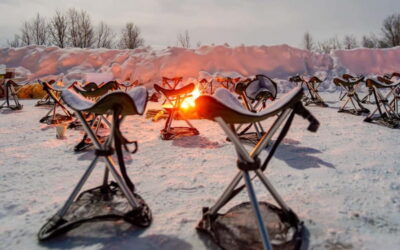
Northern Lights Safari with Expert Guides and Photos
Read our review →
Northern Lights Pioneer Tour with Photos Included
Read our review →
Northern Lights Tour with Guaranteed Sightings
Read our review →
Northern Lights Chase with Photos and Bodysuits
Read our review →
Small-Group Premium Northern Lights Tour from Reykjavik
Read our review →
#1 Northern Lights Tour In Iceland from Reykjavik with PRO photos
Read our review →