
REVIEW · REYKJAVIK
Reykjavik: Aurora Reykjavik The Northern Lights Center Entry
The best thing about Aurora Reykjavík is that it gives you a solid northern-lights experience even when Iceland’s sky refuses to cooperate. The museum connects Arctic folklore with real solar science, then adds a 30-minute 4K film and a 360-degree virtual reality show.
I like the practical photo simulator, which lets you practice camera settings before standing outside in the cold. I also like the friendly staff and the clear advice on improving your chances of seeing the Aurora in nature. The main drawback is simple: no screen can fully replace the real sky, and the experience can feel less special if the cinema is noisy or the VR equipment is not clearly explained.
Key points at a glance
- See a 30-minute 4K Aurora film: Settle into the small cinema for a beautiful trip around Iceland’s northern lights.
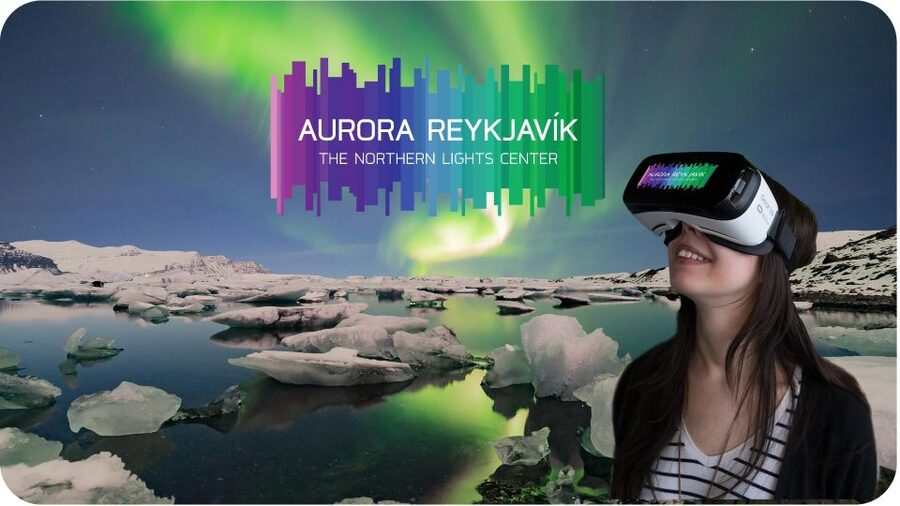
- Try 360-degree virtual reality: The VR show places you beneath an Arctic sky and is one of the center’s strongest features.
- Practice Aurora photography indoors: The photo simulator helps you understand how to capture the lights before your outdoor hunt.
- Learn both myth and science: Displays trace northern-lights stories across Arctic cultures, then explain solar particles and Earth’s atmosphere.
- Ask the staff for practical advice: The team can explain Aurora forecasts, colors, shapes, and photography.
- Visit easily from central Reykjavík: The museum is at Fiskislóð 53 in the Grandi Harbour District, with bus service and free parking nearby.
Why Aurora Reykjavík helps before an Aurora hunt
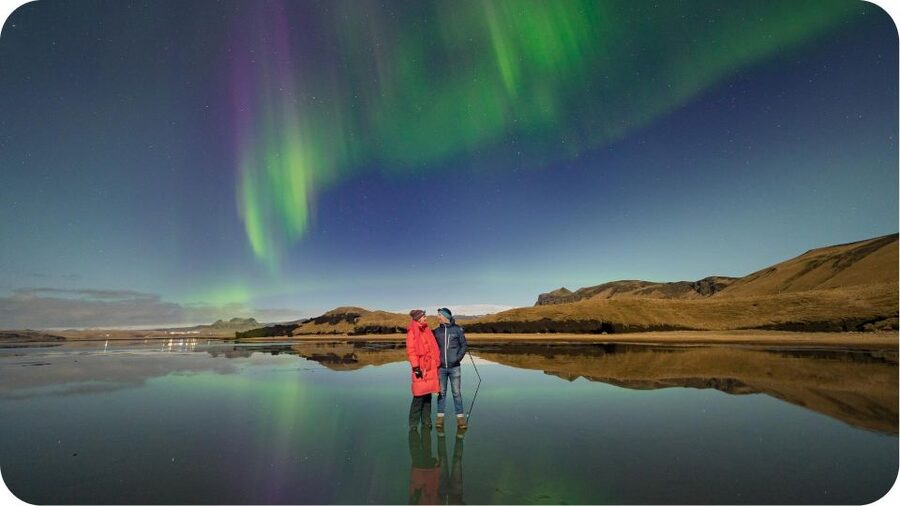
Northern-lights hunting can be a frustrating business. You need darkness, clear skies, solar activity, and a good portion of luck. Even in Iceland, a carefully planned evening can end with nothing more than clouds and a cold walk back to the car.
Aurora Reykjavík gives you a useful introduction before you head out. It does not promise a live display, and it should not be treated as a substitute for an outdoor Aurora tour. Instead, it helps you understand what you are looking for and how to make better use of your time outside.
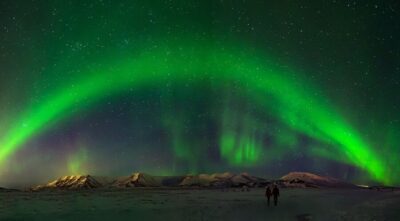
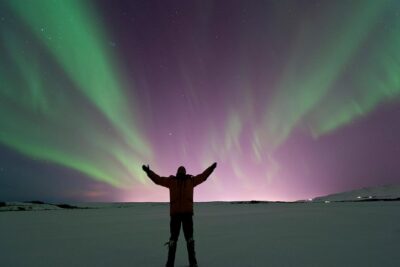
I find this especially helpful if you are seeing the northern lights for the first time. The displays explain the difference between the green glow most people expect and the other colors that can appear. They also show how the lights form different shapes and why a display can look stronger in a camera than it does to your eyes.
The museum works just as well after a failed hunt. If clouds or weak solar activity keep the sky dark, you can still see what a major Aurora display looks like, learn why conditions went wrong, and return to your next outdoor attempt with better expectations.
A few more northern lights tours around Reykjavik worth a look
- From Reykjavik: Northern Lights Bus Tour with Hot Cocoa
★ 4.3 · 13,947 reviews - Small-Group Premium Northern Lights Tour from Reykjavik
★ 4.4 · 2,977 reviews - #1 Northern Lights Tour In Iceland from Reykjavik with PRO photos
★ 4.5 · 2,887 reviews
From Arctic folklore to solar science
Start with the cultural side of the Aurora. The exhibition looks at northern-lights folklore and mythology across Arctic communities, showing how people once explained the shifting lights before modern science could describe them.
This section adds human meaning to what can otherwise feel like a technical subject. The Aurora is not only a weather forecast symbol or a green streak in a photograph. For generations, people built stories around its movement, color, and strange appearance in the night sky.
The exhibition then shifts to science. You follow the process from the Sun to Earth’s atmosphere and learn how solar activity produces the glow. The displays explain the shapes and colors you may see, along with the limits of the naked eye.
You do not need a science background to follow this part. The information is presented through multimedia displays, images, and descriptions rather than through a long classroom lecture. If you are traveling with children, the mix of stories, moving images, and simple explanations should hold attention better than a wall of text.
The museum also offers guidebooks in several languages, including Chinese, Czech, Dutch, French, German, Italian, Japanese, Polish, Portuguese, Russian, and Spanish. The listed language options make the exhibition easier to follow for many international visitors, though the host or greeter language is English.
The 30-minute film in the Aurora cinema
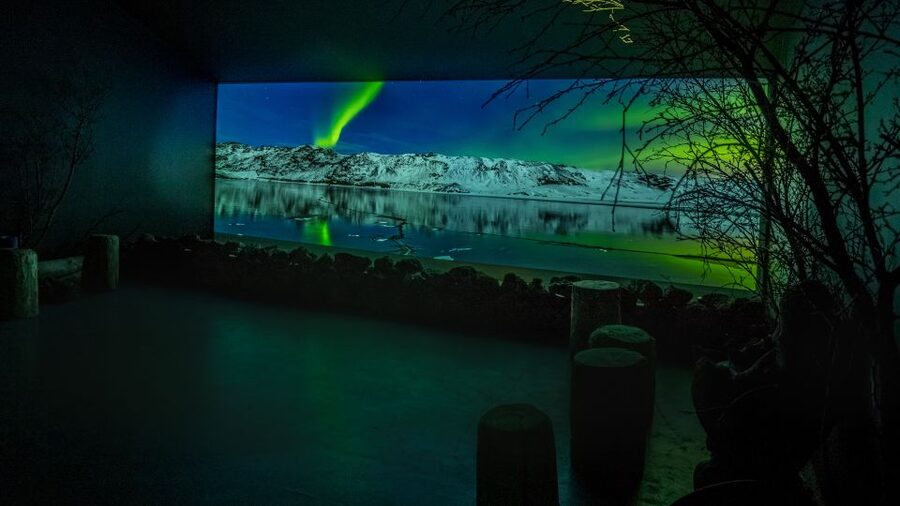
The cinema is the calm center of the visit. You sit back in a cozy room and watch a 30-minute 4K time-lapse film of Aurora displays around Iceland.
This film is the closest thing here to a traditional show. It gives you time to watch the lights move across the screen without stopping at each exhibit or adjusting a headset. The high-resolution footage shows the scale and motion of the Aurora far better than a single still photograph.
I would plan to watch the whole film rather than treat it as background entertainment. The changing patterns help you understand why no two displays look alike. Some scenes may show a soft band of light, while others build into wide curtains and sharper movement across the sky.
There is one practical weakness. The film runs in a relaxing theater, so noise from other people can affect the mood. A loud conversation or a distracted visitor can take the edge off the quiet setting. If you want the best experience, sit down when the room is calm and give the film your full half hour.
The film is also the part most likely to feel less worthwhile if you expect a live replacement for nature. It is beautiful footage, but it remains a fixed presentation. The 360-degree VR show provides a stronger sense of personal involvement.
The 360-degree VR show
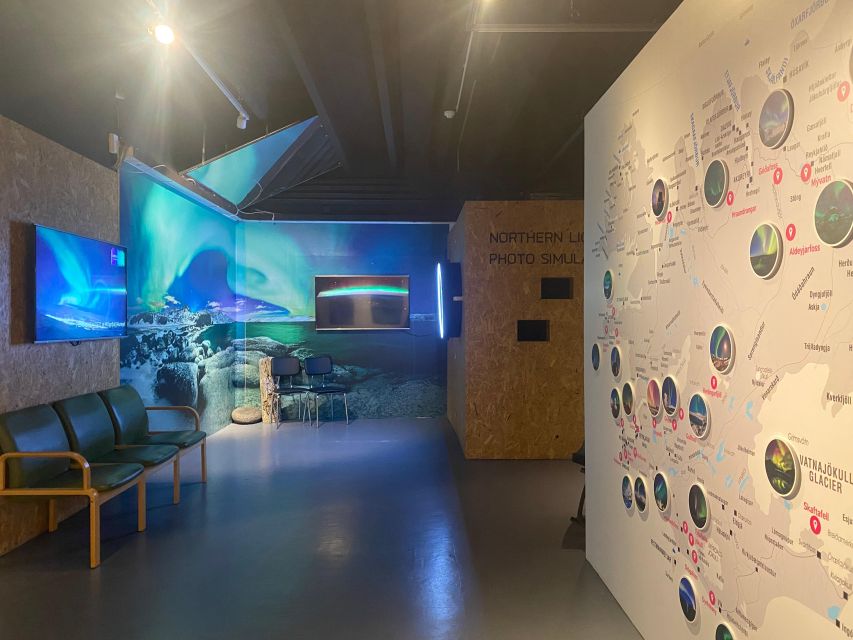
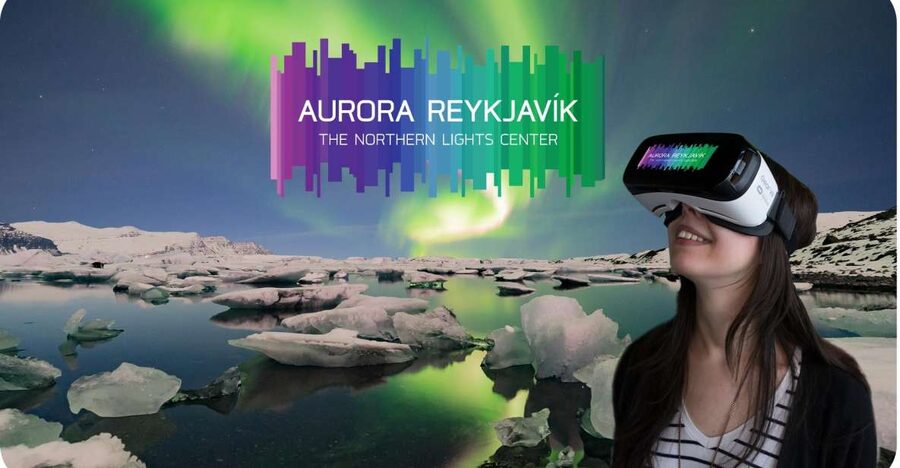
Put on the virtual reality headset and look around an Icelandic night sky. The 360-degree film is designed to make you feel as though the Aurora is moving around you rather than playing on a flat screen in front of you.
This is an important distinction. The large cinema film lets you watch an edited sequence. VR gives you control over where you look, so the experience feels more like standing outdoors beneath the lights. You are still indoors, but the headset offers a more personal view.
Pay attention to the instructions before putting it on. The equipment can be easy to miss, and you might assume the main theater film is the only special presentation. A clearer introduction from the staff would help, especially for people who do not notice the VR gear at first.
The VR show was a major reason several recent visitors rated the center highly. That makes sense to me. If your real Aurora hunt fails, the headset offers something more than another photograph or information panel. It gives you a short, memorable sense of the sky in motion.
Still, VR has limits. It cannot reproduce the cold air, silence, distance, or surprise of seeing a real display over Iceland. Think of it as a well-made preview and teaching tool, not a replacement for a clear night outside.
Same sky, a different way to chase it:
- Northern Lights Small-Group Tour with Hot Chocolate & Photos
★ 4.5 · 2,068 reviews - Northern Lights Night Tour from Reykjavik
★ 3.5 · 1,921 reviews - Northern Lights Bus Tour from Reykjavik with Hot Chocolate
★ 4.0 · 1,782 reviews - From Reykjavik: Northern Lights Tour with Lifetime Guarantee
★ 3.7 · 1,578 reviews
The photo simulator and useful camera advice
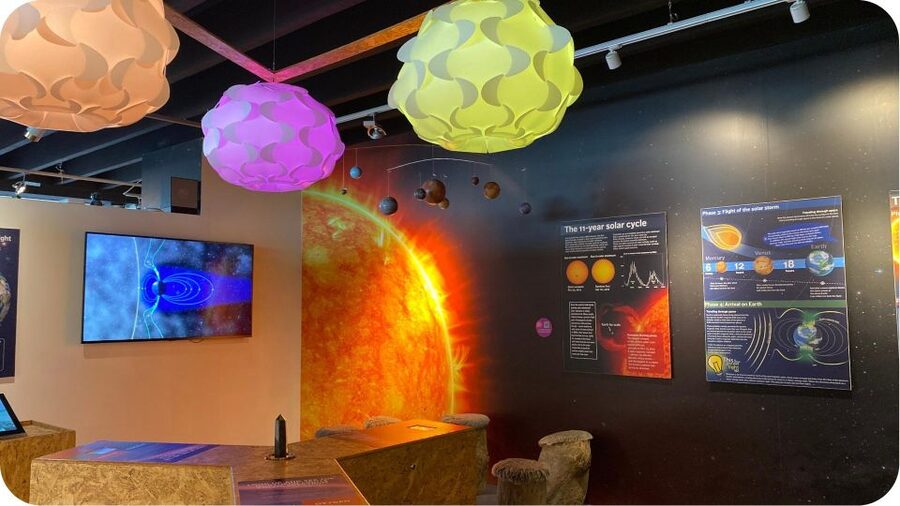
The northern-lights photo simulator is one of the most practical parts of the center. It lets you practice photographing the Aurora before you take your camera into the dark.
That matters because night photography can be confusing. Your eyes may see a faint green arc, but the camera needs different settings to record it clearly. The simulator helps you understand how to frame the shot and how to work with the camera in low light.
You can also learn what not to expect. A good Aurora photograph may show more color and detail than you noticed at the time. The camera gathers light during a longer exposure, while your eyes adjust in a different way.
I would spend a few minutes here even if you are using a phone. The basic lesson still applies: the camera needs stability, patience, and careful handling in the dark. The simulator is not a full photography course, but it gives you a place to practice without freezing fingers or wasting a rare burst of Aurora activity.
The museum’s staff can answer questions about photographing the lights, and this is a good moment to ask them. You might want advice on focus, framing, or why your previous night photographs came out blurry. The team includes award-winning photography and northern-lights specialists, according to the center’s information.
Bring headphones if you plan to use the QR-based audioguides. They are available in English, Cantonese, French, German, Italian, Mandarin, and Spanish, but earphones are not included. You can buy them for an additional 7 EUR per person, or use your own.
Staff help and the pace of the visit
The center is self-guided, but the staff are available for questions. That makes the visit more flexible than a scheduled lecture. You can move at your own pace, stop at the sections that interest you, and ask for help when something is unclear.
Staff friendliness has been one of the strongest parts of the experience. The team can explain how the Aurora works, offer tips for your outdoor hunt, and point out the VR equipment or photo simulator. If you arrive with a practical question, ask it directly rather than simply walking through the displays.
The self-guided format also has a downside. The quality of the visit depends partly on how much attention you give it. If you rush through the panels, skip the audio content, and miss the simulator, you may feel that you paid mainly for a film.
The QR audio system can add useful detail, but it is not essential for everyone. If you prefer reading short displays and asking questions, you can enjoy the center without buying the extra earphones. If you want a fuller explanation in your own language, bring your own headphones.
The museum is suitable for all ages and wheelchair accessible. That makes it a sensible indoor stop for families and for anyone who needs a break from Iceland’s weather. The center is not built around a difficult walking route, and the main attractions are all indoors.
Location in the Grandi Harbour District
Aurora Reykjavík is at Fiskislóð 53, in the Grandi Harbour District, just outside Reykjavík’s central core. The location works well as part of a day spent around the harbor, though the museum itself is the main reason to come here.
Bus line 14 serves the area, and free parking is available. Those details matter in Reykjavík, where you may be combining several short stops rather than following one long sightseeing route. Check the current opening hours before setting out because the schedule can change.
The museum is open year-round, which gives it value outside the northern-lights season. You can visit during summer to learn how the phenomenon works, even though long daylight makes an outdoor Aurora hunt impossible at that time of year.
In winter, it is a useful warm-up before heading into the countryside. In bad weather, it becomes a reliable backup plan. The entrance area can become icy in winter, so take care when walking in, particularly after freezing rain.
What the 33 dollar admission includes
At $33 per person, Aurora Reykjavík is not a cheap quick stop. The value depends on how much of the center you use.
Your admission includes the exhibition, the 30-minute northern-lights film, the 360-degree VR video, the photo simulator, and the multilingual guide materials. You also get access to the staff’s advice and the indoor setting, which can matter a great deal on a cold or cloudy day.
I think the price is easier to justify if you are genuinely interested in the Aurora or if your outdoor hunt has been canceled. The film and VR presentation give you something memorable, while the science section and camera practice can improve the rest of your Iceland trip.
The value is weaker if you only want to see a quick moving picture of green lights. In that case, the exhibition may feel brief, especially if you skip the guide material and do not use the photo simulator.
Extra costs are modest but worth knowing. QR audioguide earphones cost 7 EUR per person if you do not bring your own. The printed Northern Lights Souvenir Guidebook costs 14 EUR per person, and a hot drink at the café costs 4 EUR. These are optional, so the advertised admission price is not the full cost only if you choose add-ons.
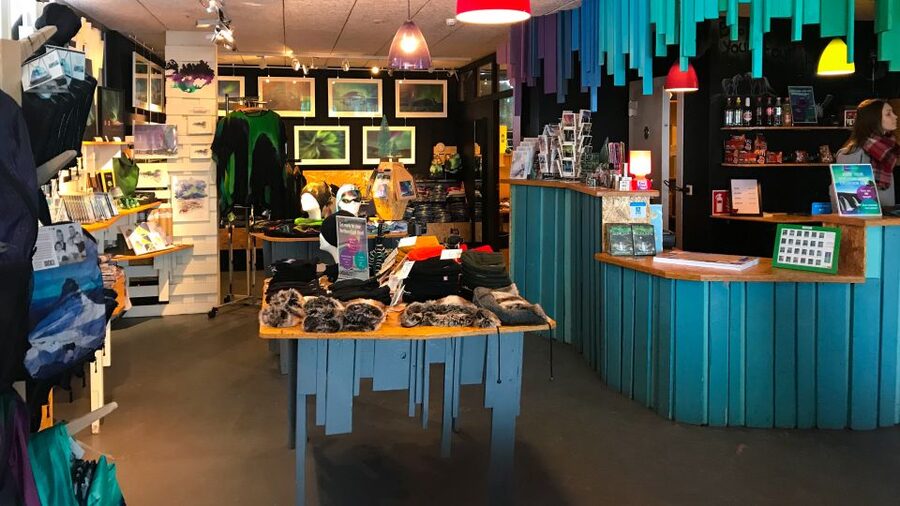
You can also browse local art and Aurora-related souvenirs at the boutique. I would treat this as a pleasant ending rather than a central reason to visit.
Who will get the most from this museum
Aurora Reykjavík suits you best if you fall into one of these groups:
- You are new to the northern lights and want the basic science explained clearly.
- You have booked an outdoor hunt and want advice on timing, conditions, or photography.
- You have limited time in Iceland and want a year-round Aurora attraction in Reykjavík.
- You are traveling with children who need an indoor activity with pictures, film, and technology.
- You missed the lights because of clouds and want a worthwhile alternative.
- You enjoy photography and want to practice before using a camera outdoors.
It may be less satisfying if you have already spent a great deal of time in Aurora museums or only want a live sighting. No indoor experience can provide the sudden thrill of seeing the real lights appear above you.
Plan enough time to watch the full film, try the VR, read the science panels, and use the simulator. The exact total visit length is not specified, so I would avoid squeezing it into a very tight schedule.
Should you book Aurora Reykjavík?
I would book Aurora Reykjavík if you want more than a lucky glimpse. The strongest parts are the practical photo simulator, the 30-minute film, the 360-degree VR show, and the chance to ask staff direct questions.
The museum is especially useful as insurance against Iceland’s uncertain weather. It cannot guarantee the real Aurora, but it ensures that your interest in the subject does not end with a cloudy forecast. At $33, it offers fair value when you use all the main features.
I would skip it only if your schedule is packed, your budget is tight, or you are looking exclusively for a natural sighting. For most first-time visitors with a genuine interest in the northern lights, this is a sensible Reykjavík stop, especially before an outdoor hunt or after one fails.
FAQ
Where is Aurora Reykjavík located?
Aurora Reykjavík is at Fiskislóð 53, 101 Reykjavík, in the Grandi Harbour District. Bus line 14 serves the area, and free parking is available.
What does the admission include?
Admission includes the Aurora exhibition, a 30-minute northern-lights film, a 360-degree virtual reality video, a northern-lights photo simulator, multilingual guidebooks, and access to the center.
Are headphones provided for the audioguide?
No. You should bring your own headphones if you want to use the QR-based audioguides. Earphones can also be purchased for 7 EUR per person.
Which languages are available?
The host or greeter language is English. Audioguides are available in English, Cantonese, French, German, Italian, Mandarin, and Spanish. Guidebooks are available in several languages, including Chinese, Czech, Dutch, French, German, Italian, Japanese, Polish, Portuguese, Russian, and Spanish.
Is the center suitable for children and wheelchair users?
Yes. The experience is suitable for all ages and is wheelchair accessible.
Can I cancel my booking?
You can cancel up to 24 hours in advance for a full refund. The activity also offers a reserve-now, pay-later option.
Newest aurora reviews around Reykjavik
- Reykjavik: Small Group Northern Lights Tour★ 4.6 · 8 reviews
- Reykjavík: South Coast Wonders & Northern Lights Tour★ 4.3 · 5 reviews
- Reykjavik: Whales and Northern Lights Boat Tour★ 4.2 · 55 reviews
- Reykjavik: Northern Lights Small Group with Surprise★ 4.4 · 11 reviews
- From Reykjavik: Private Northern Lights Tour★ 4.7 · 15 reviews
- Reykjavik: Northern Lights with Icelandic Treats★ 3.8 · 19 reviews
- Reykjavik: Northern Lights by 4×4 with Photos & Hot Cocoa★ 4.0 · 6 reviews
- Reykjavik: Northern Lights Guided Boat Tour with Photos★ 4.3 · 9 reviews
Reykjavik Northern Lights Tours, compared.
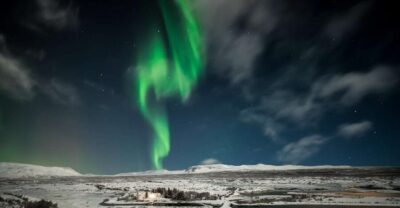
Small-Group Premium Northern Lights Tour from Reykjavik
Read our review →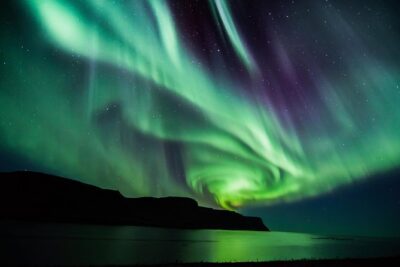
#1 Northern Lights Tour In Iceland from Reykjavik with PRO photos
Read our review →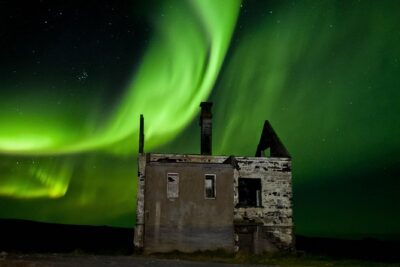
Northern Lights Small-Group Tour with Hot Chocolate & Photos
Read our review →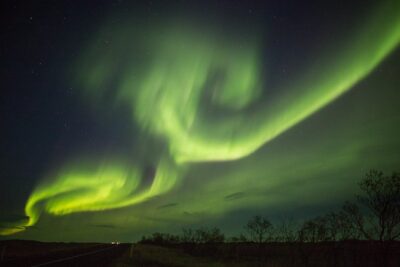
Northern Lights Guided Bus Tour from Reykjavik
Read our review →Browse the lists this tour appears in