REVIEW · TROMSO
Tromsø: Northern Lights Photography Tour
The best part of this six-hour Tromsø outing is the chase. Your guide and driver may head for the coastal islands, cross into Finland, or drive deep into the countryside to escape cloud cover. The route changes with the weather, which makes this feel like an Arctic expedition rather than a fixed bus ride. Clear skies matter more than distance.
I like the small-group format and the serious effort put into keeping you warm. Guides such as Joaquin, Filip, Bogdan, Lucas, Thomas, and Anna have helped people with cameras, picked out breaks in the clouds, and kept the evening friendly while everyone waits. The drawback is simple: the Aurora is wild. You can spend hours driving and still see only a faint glow, with no refund if the lights do not appear.
Key points at a glance
- The route follows the weather: Expect anything from nearby coastal islands to a long drive toward Finland.
- A campfire turns waiting time into part of the evening: Soup, hot chocolate, coffee, tea, and cookies are served outdoors.
- Photography help is built in: Tripods, camera guidance, headlamps, and free web-resolution photos are included.
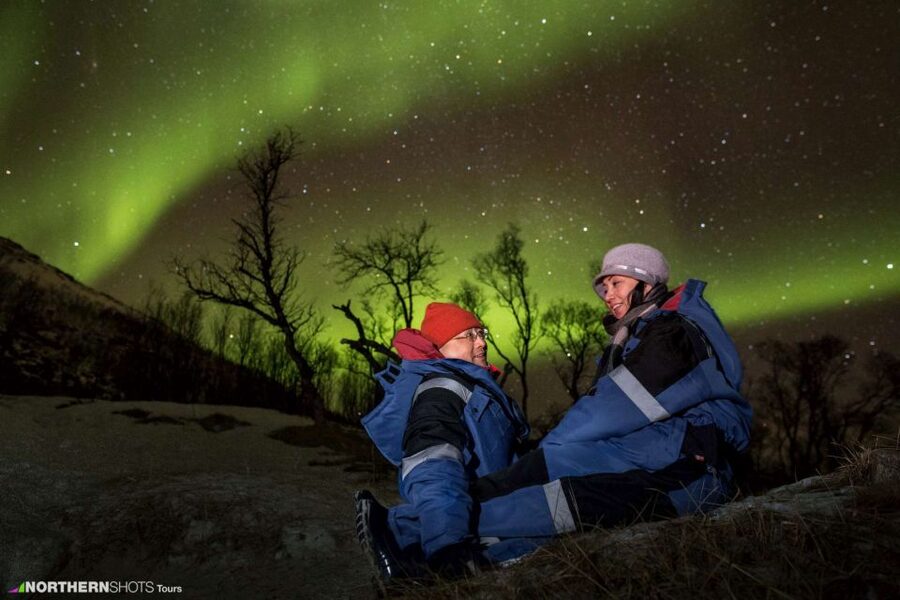
- Cold-weather gear saves the night: Thermal suits, hand warmers, and heated boot insoles are supplied.
- The tour can run longer than six hours: Plan for roughly six to nine hours, depending on conditions and Aurora activity.
- This is not an easy-access excursion: Deep snow, rough ground, ice, and limited bathroom access require preparation.
Why the Aurora chase is worth the uncertainty
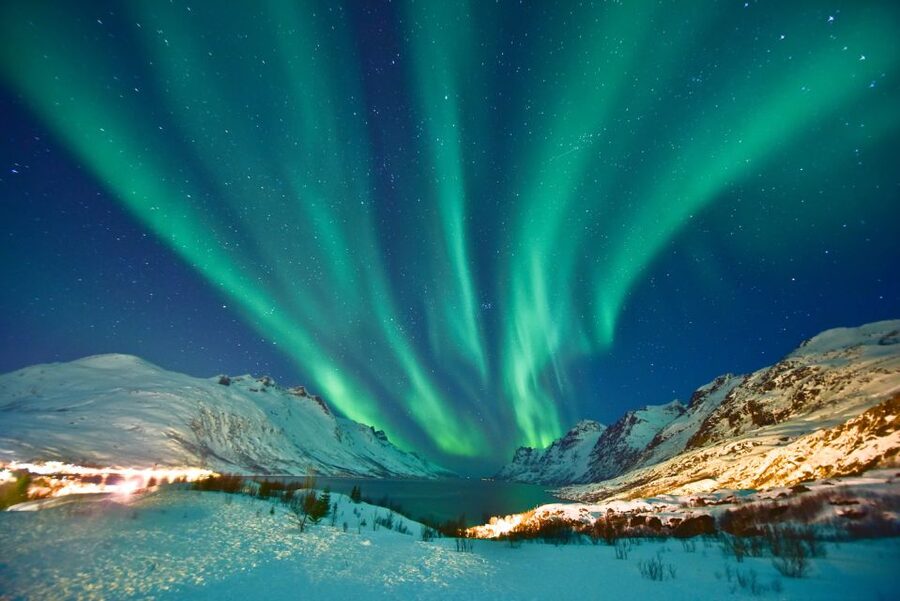
A Northern Lights tour is not a show with a scheduled curtain time. The lights may appear over Tromsø, then vanish behind cloud. A sky that looks empty can brighten minutes later, while a promising forecast can amount to nothing.
That uncertainty is exactly why this tour uses a moving plan. Your team watches cloud cover and conditions across a wide part of northern Norway. On some nights, you may make a short trip to the islands near Tromsø. On others, the van may travel for hours toward Finland or southern valleys where the sky is clearer.
I like this approach because it tackles the main problem with Aurora sightseeing: Tromsø can be cloudy while a clear sky sits a long drive away. Guides and drivers such as Lucas, Anna, and Fede have made long journeys to find openings, including trips of about 400 kilometers round-trip. That does not guarantee success, but it gives you a better chance than sitting in one fixed spot under thick cloud.
The cost is $236 per person, which is not a bargain-basement evening out. You are paying for a small-group vehicle, a guide and driver team, the search across changing weather zones, cold-weather equipment, food, camera support, and edited images after the tour. If you only want a quick look at the sky near town, this may feel expensive. If you want an organized attempt with serious weather chasing, it offers solid value.
More Northern Lights Photography Tours in Norway
- Tromsø: Northern Lights Safari with Expert Guides and Photos
★ 4.6 · 6,654 reviews - Tromsø: Northern Lights Pioneer Tour with Photos Included
★ 4.8 · 6,048 reviews - Tromsø: Northern Lights Chase with Photos and Bodysuits
★ 4.5 · 3,378 reviews
Meeting the team in central Tromsø
You meet outside Tourist Shop Tromsø Havn, a white building with blue writing. Stand on the corner facing the city, and your guide will come to find you.
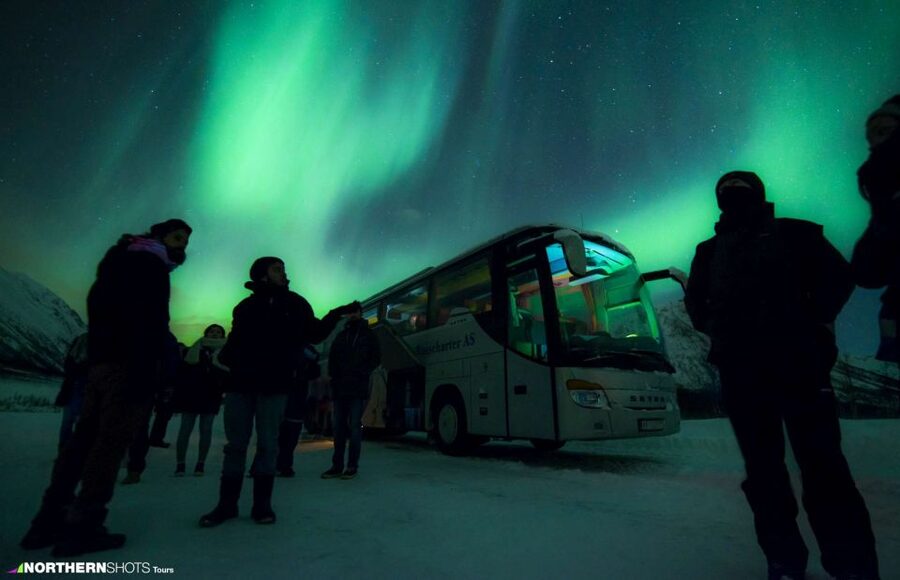
The vehicle is one of the more useful parts of the evening. Previous departures have used comfortable minibuses with spacious seats, USB charging points, and, in some cases, Wi-Fi. That matters because you may spend several hours riding through dark winter roads, and a dying phone is a poor way to end a night built around photographs.
The exact guide varies. You might meet Filip, Joaquin, Bogdan, Lucas, Thomas, Fede, or another member of the English-speaking team. The strongest pattern across the experience is the pairing of a guide with a dedicated driver. The guide can watch the sky, explain the science, help with cameras, and prepare the camp while the driver concentrates on icy roads.
The group size is described as small, though one departure included 15 people. That is still more personal than a large coach trip, but do not assume every vehicle holds only six or eight people. A smaller group makes it easier to ask for camera help and get an individual portrait, yet you may still need to share the tripod area and wait your turn.
The first drive: leaving Tromsø behind
Once you leave town, the evening becomes a weather hunt. The route is not fixed, and you should not expect a scenic sightseeing loop with a set list of stops. Your guide chooses the direction based on cloud cover, forecasts, road conditions, and the chance of finding open sky.
The nearby option may take you toward coastal islands outside Tromsø’s city lights. These locations can offer darker skies without requiring an all-night road journey. If the weather is poor around Tromsø, the team may keep driving toward Finland, a national park area, or a valley farther south.
That longer route can be tiring. Some people have spent around three hours driving one way before reaching clear conditions. Still, the miles have a purpose. You are not simply sitting in a parking lot hoping the cloud breaks. The team is trying to put you under a better section of sky.
You may also stop briefly along the way if the Aurora appears. Several departures have paused at roadside locations for quick photographs before continuing to a more suitable camp. This gives you a chance to see the lights in motion, but roadside stops can be dark, cold, and brief. Keep your gloves and phone ready rather than packing everything away.
Setting up camp under the Arctic sky
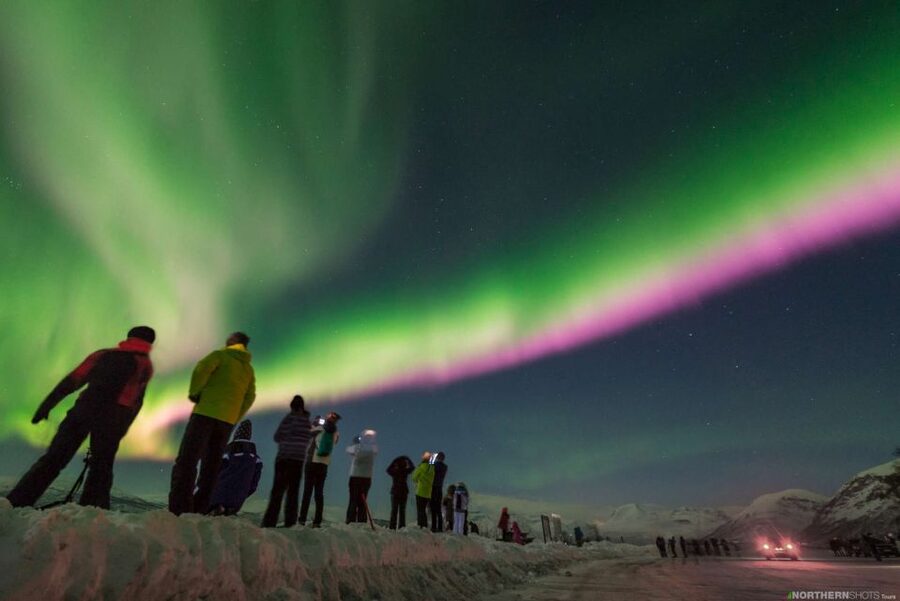
When the team finds a promising location, you will put on a thermal suit and head outside. The ground may be snowy, slippery, or uneven, so expect a short walk rather than a paved viewing platform. Headlamps are provided, and some departures have also supplied crampons.
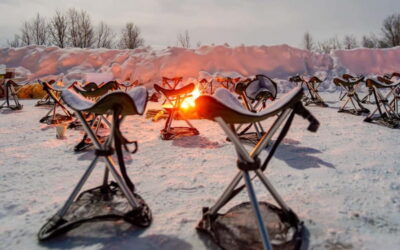
The campfire is more than a decorative extra. Waiting is often the longest part of an Aurora night, and standing still in freezing air quickly becomes uncomfortable. A fire gives you somewhere to gather, warm your hands, and talk while the guide checks the sky.
Food is simple but welcome. You receive locally made soup, cookies, tea, coffee, and hot chocolate. Tomato soup appears often in the experience, and it is especially useful after a cold period outside. Do not expect a full restaurant meal. Think of it as hearty camp food served at the right moment.
The organizers also provide hand warmers and heated insoles for your boots. These small items can make a major difference. Your upper body may feel fine in a thermal suit while your toes grow numb against the snow. Still, bring your own gloves and warm, waterproof shoes. The supplied gear is help, not a substitute for proper winter clothing.
Bathroom facilities are limited. Use a facility before leaving town or during a suitable roadside stop, and avoid assuming there will be a toilet beside the campfire. This is one of those practical details that matters much more after midnight.
More Northern Lights Photography Tours in Tromso
- Tromsø: Northern Lights Chase in a Mercedes Benz with Photos
★ 4.7 · 2,594 reviews - Tromsø: Northern Lights Tour with Local Stories & Photos
★ 4.3 · 2,467 reviews - Tromsø: Northern Lights Bus Tour with Free Photography
★ 4.5 · 1,642 reviews - Tromso Northern Lights Minibus Chase Small Group Tour with Photos
★ 5.0 · 1,199 reviews
Learning to photograph the Northern Lights
The photography support is the main reason to choose this tour over a basic Aurora transfer. Guides help you set up your own camera, explain how to photograph the lights, and provide tripods. The tripods are not suitable for mobile phones, so phone users should plan to hold their device steady or bring a compatible support of their own.
If you have a camera, bring a charged battery and know how to switch it to manual mode if possible. The guides can offer practical instruction, but they cannot turn a complete beginner into a night photographer in a few minutes. Take notes, ask questions, and let the guide help you focus and frame the shot.
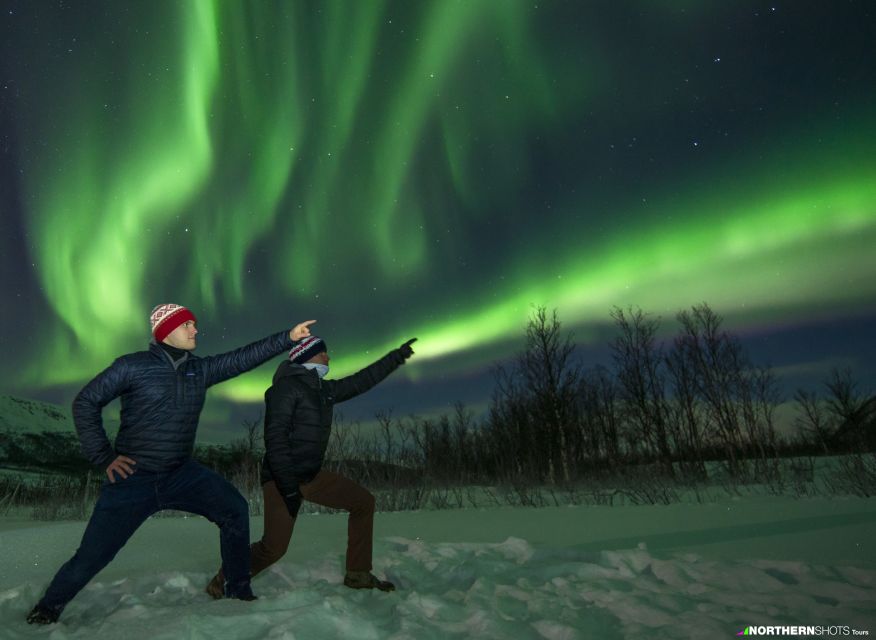
The tour also includes professional photos taken during the evening. These are shared afterward at no extra charge in web resolution. Guides such as Joaquin, Bogdan, Filip, and Samuel have taken portraits of each person beneath the Aurora, along with wider sky images and, on some departures, time-lapse footage.
That service lets you put your camera down and watch. This matters because it is easy to spend the entire evening adjusting settings and miss the very thing you came to see. The included photographs also give you a record if the lights are too faint for your eyes but show more clearly on a long camera exposure.
You should keep your expectations realistic. A camera often records green or purple detail that your eyes perceive as gray or faint green, especially under cloud or weak activity. That is normal, not a fault with the tour. Your guide should explain the difference so you know why your photographs may look more dramatic than the live view.
What happens when the lights appear
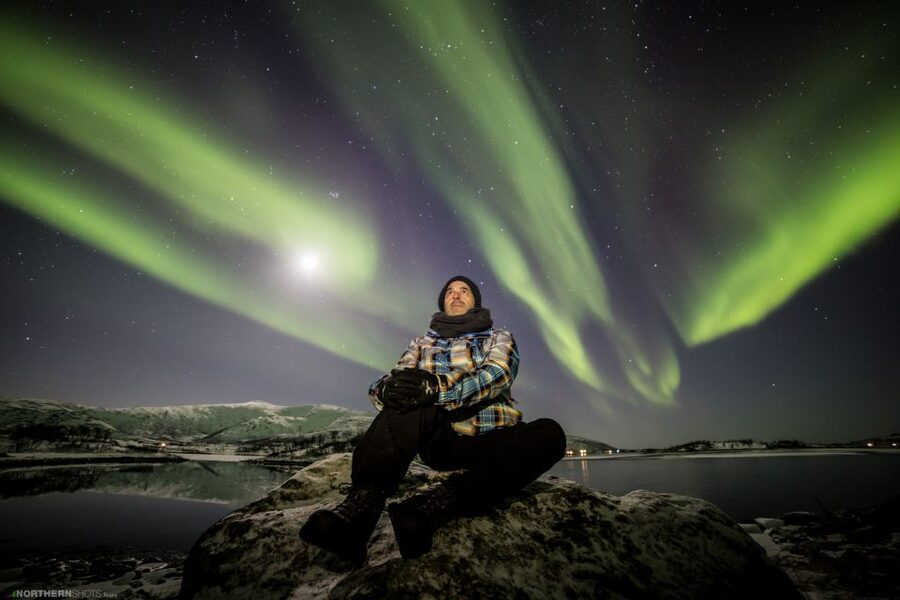
The Aurora may arrive in short bursts. You can be standing under a quiet, star-filled sky when a guide spots a developing band and asks everyone to look up. At other times, a faint glow may linger near the horizon for an hour before strengthening.
This is where the team’s patience helps. Guides have moved the group between several spots in one evening, returned people to the van for warmth, then called everyone outside again when the sky brightened. On one outing, the guide noticed another display just as the group was preparing to remove their thermal suits.
Do not expect a single grand viewing platform. You might take quick photos beside the road, then spend a longer period at a campfire site. You may see the lights several times in different parts of the sky, or only catch a pale band visible mainly through the camera.
The emotional side of the experience depends heavily on the guide. Bogdan, Joaquin, Filip, Thomas, and others are known for explaining the science and keeping spirits up when the forecast looks poor. That does not change the weather, but it makes a long wait more pleasant and helps you understand what you are seeing.
Moon phases, weather, and the odds of success
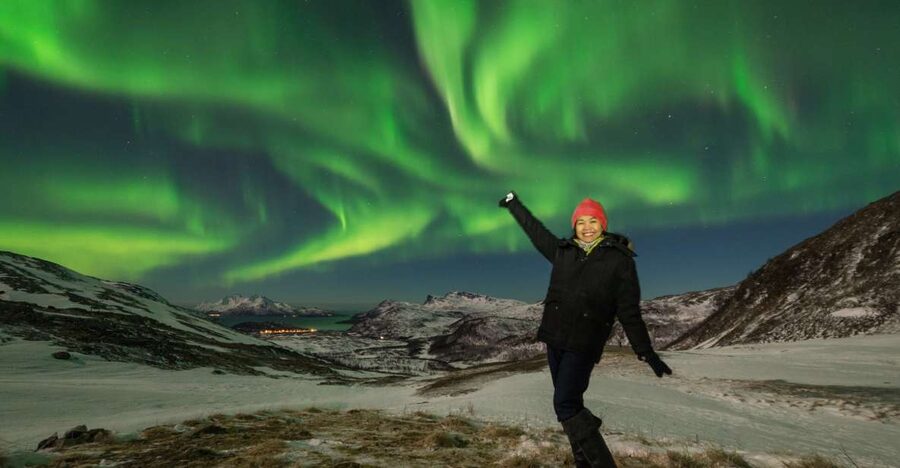
Timing can affect the look of the night. Around a new moon, the sky is darker, so faint Aurora and stars may appear stronger. A full moon can wash out some of the lights, but it illuminates snowy ground and mountains, which can make attractive photographs.
Cloud is the bigger problem. A strong Aurora above a solid cloud layer may be invisible to your eyes, though your camera can sometimes record a little color. The tour does not offer a refund if the lights are not visible, so you should treat the outing as a serious attempt rather than a guarantee.
For the best chance, book early in your Tromsø stay if your schedule allows. The supplied information does not promise a repeat outing or replacement tour, so leaving yourself more than one possible night gives nature more chances to cooperate. That is planning advice, not a promise that any particular evening will work.
The tour is best for people comfortable with uncertainty, cold, long drives, and waiting. It is not suitable for children under eight, people with mobility impairments, or anyone under 135 centimeters. You need a general fitness level for deep snow, rough ground, and slippery conditions.
Who will get the most from this tour
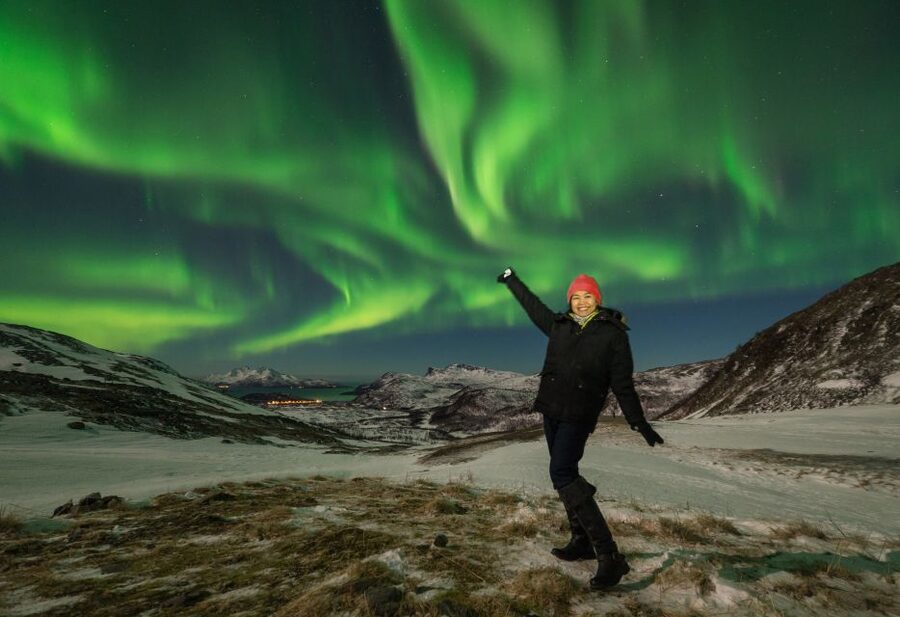
I would choose this experience if you want the best organized attempt at seeing the Aurora and care about coming home with photographs. It suits couples, families with older children, solo visitors, and camera enthusiasts who prefer a smaller vehicle and a guide who can offer direct help.
It is also a good fit if you value comfort during a rough outdoor evening. Thermal suits, heated insoles, a fire, soup, and hot drinks remove much of the misery that can turn Aurora watching into a frozen endurance test.
I would hesitate if you dislike long vehicle journeys or need a firm return time. The advertised duration is six hours, but the actual outing can last six to nine hours depending on conditions. A late return is possible, and one departure reached Tromsø around 1 a.m.
Bring your passport or ID card, warm clothing, gloves, waterproof shoes, and warm shoes. Do not bring luggage or large bags. Car seats for children under 120 centimeters are not included and are required by law. A booster for children at least 120 centimeters tall is available on request, but the minimum height for the tour is 135 centimeters.
Should you book the Northern Lights Photography Tour?
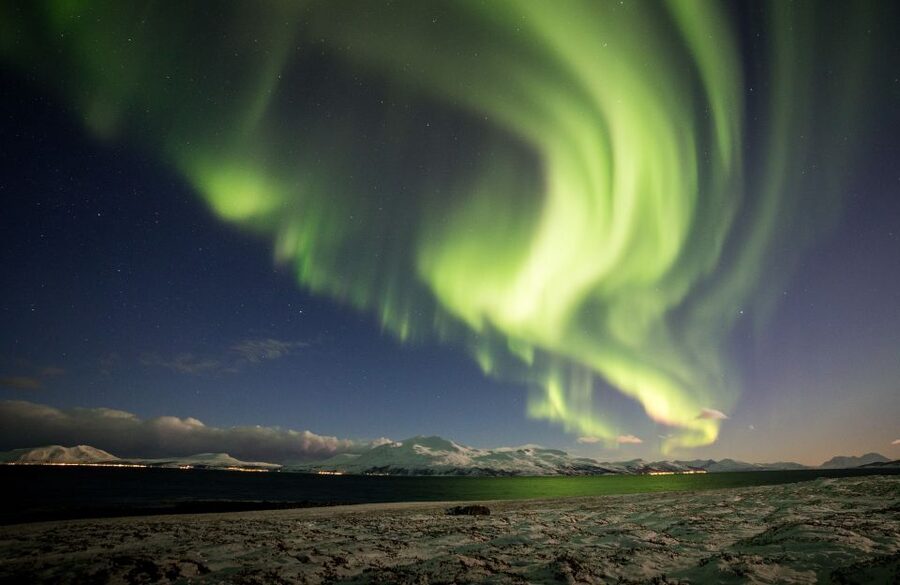
Book it if you want a determined Aurora chase with practical extras, not just a drive to a nearby viewpoint. The strongest value comes from the combination of weather-based routing, a guide and driver team, warm camp facilities, camera instruction, tripods, and free photographs.
Skip it if a missed Aurora would ruin your trip or if you cannot manage deep snow, cold, limited bathrooms, and a possible nine-hour night. No company controls the sky.
For most visitors, I would book this early in a Tromsø stay and keep the next morning flexible. Go in expecting a real Arctic outing, not a guaranteed light show. With that mindset, the soup, stars, campfire, camera help, and patient chase can make the night worthwhile even before the sky turns green.
FAQ
Where does the Northern Lights Photography Tour meet?
Meet outside Tourist Shop Tromsø Havn, a white house with blue writing. Stand on the corner facing toward the city, and your guide will meet you there.
How long does the tour last?
The planned duration is six hours, but the actual outing usually lasts about six to nine hours. Weather, driving distance, and Aurora activity determine the return time.
Is transportation included?
Yes. Transportation in a comfortable vehicle is included, along with drop-off at your hotel or accommodation in central Tromsø on the main island.
What photography equipment is provided?
Tripods and headlamps are provided, along with instructions for photographing the Aurora. The tripods are not suitable for mobile phones. Your guide can also assist with your own camera.
Are photographs included in the price?
Yes. Professional photographs taken during the tour are shared with you at no extra charge in web resolution.
What food and drinks are included?
The tour includes locally made soup, cookies, tea, coffee, and hot chocolate. A campfire is also provided when the group sets up camp.
Is the Northern Lights sighting guaranteed?
No. The Aurora is a natural event, and refunds are not offered if it is not visible. Cameras can sometimes show the lights more clearly than the naked eye, especially during faint activity or partial cloud.
Newest aurora reviews around Tromso
- Northern lights Tromsø – small group tour with local guide★ 4.9 · 15 reviews
- From Tromsø: Aurora Snowshoe Hike★ 5.0 · 14 reviews
- From Tromsø: Private Northern Lights Experience★ 5.0 · 5 reviews
- From Tromsø: Northern Lights Chase★ 5.0 · 4 reviews
- From Tromsø: Northern Lights Visit at Camp Tamok★ 4.3 · 32 reviews
- Chase the Magic of the Northern Lights in Tromsø Norway★ 3.8 · 48 reviews
- Aurora Optimum: Best 3-Night Forecast★ 5.0 · 5 reviews
- From Tromsø: Aurora Bus Tour with Snacks, Photos, and Drinks★ 4.2 · 42 reviews
Northern Lights Photography Tours, compared.
Northern Lights Safari with Expert Guides and Photos
Read our review →
Northern Lights Pioneer Tour with Photos Included
Read our review →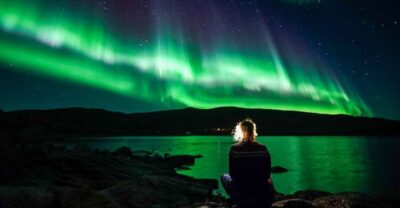
Northern Lights Chase with Photos and Bodysuits
Read our review →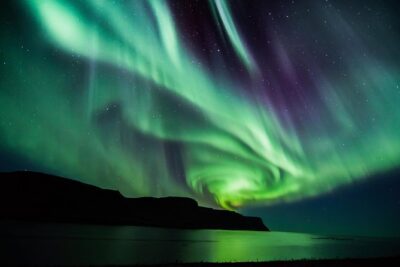
#1 Northern Lights Tour In Iceland from Reykjavik with PRO photos
Read our review →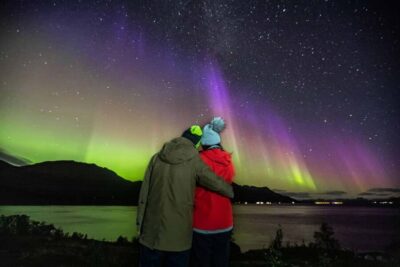
Northern Lights Chase in a Mercedes Benz with Photos
Read our review →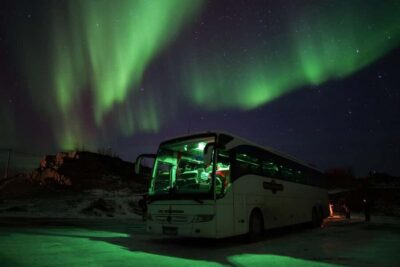
Northern Lights Tour with Local Stories & Photos
Read our review →
Northern Lights Small-Group Tour with Hot Chocolate & Photos
Read our review →